All Hazard Preparedness for Captive Wildlife
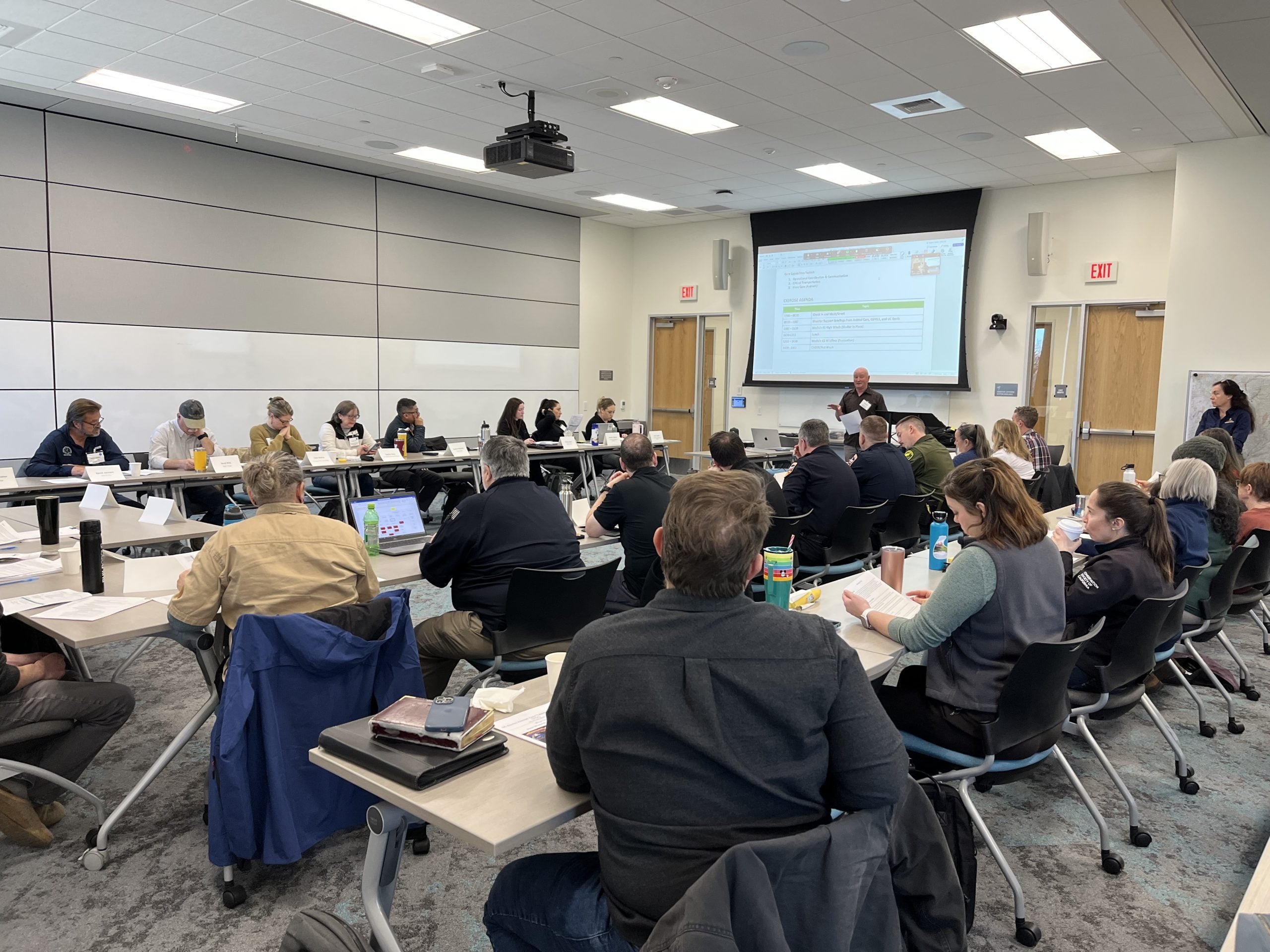
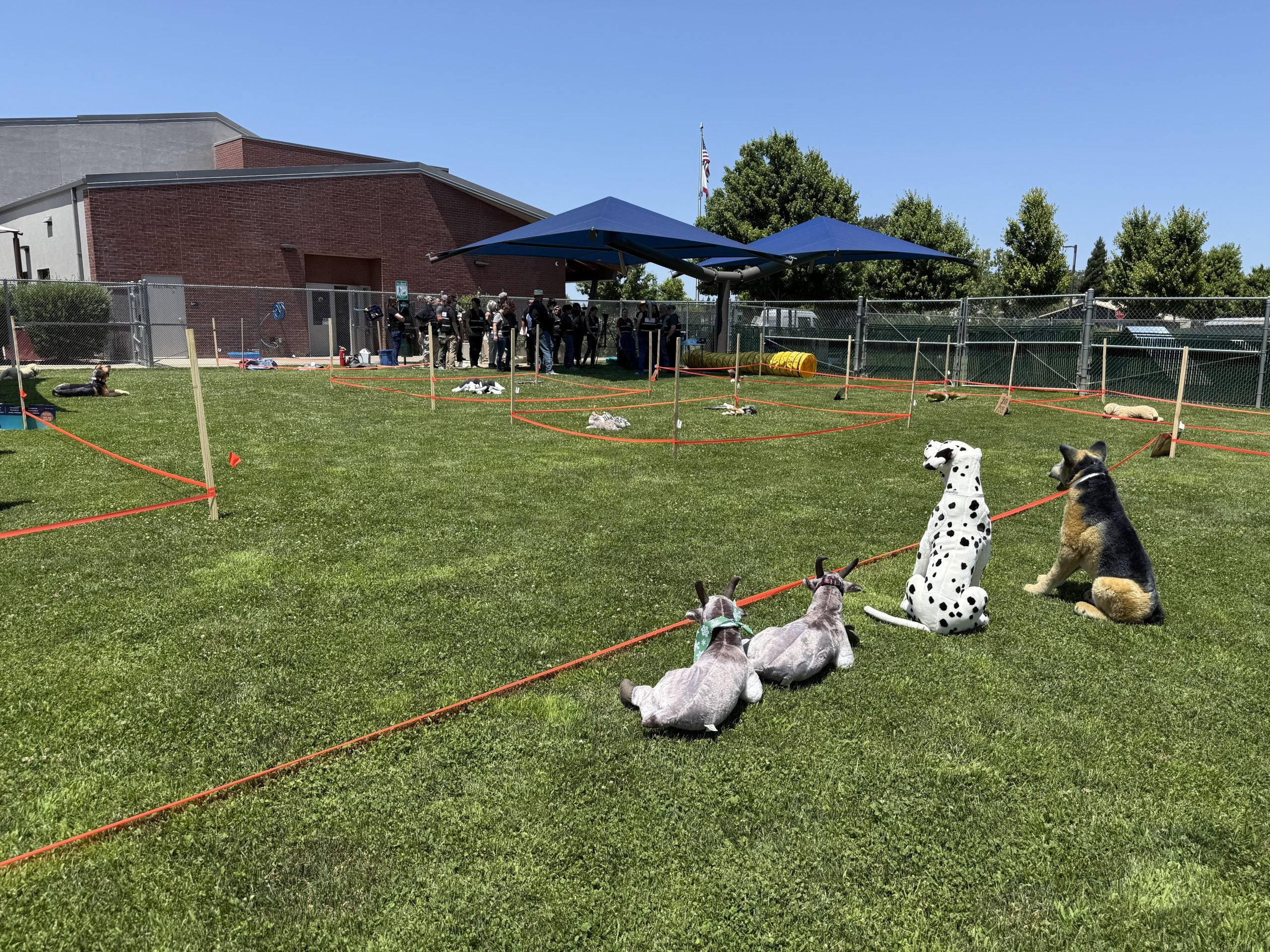
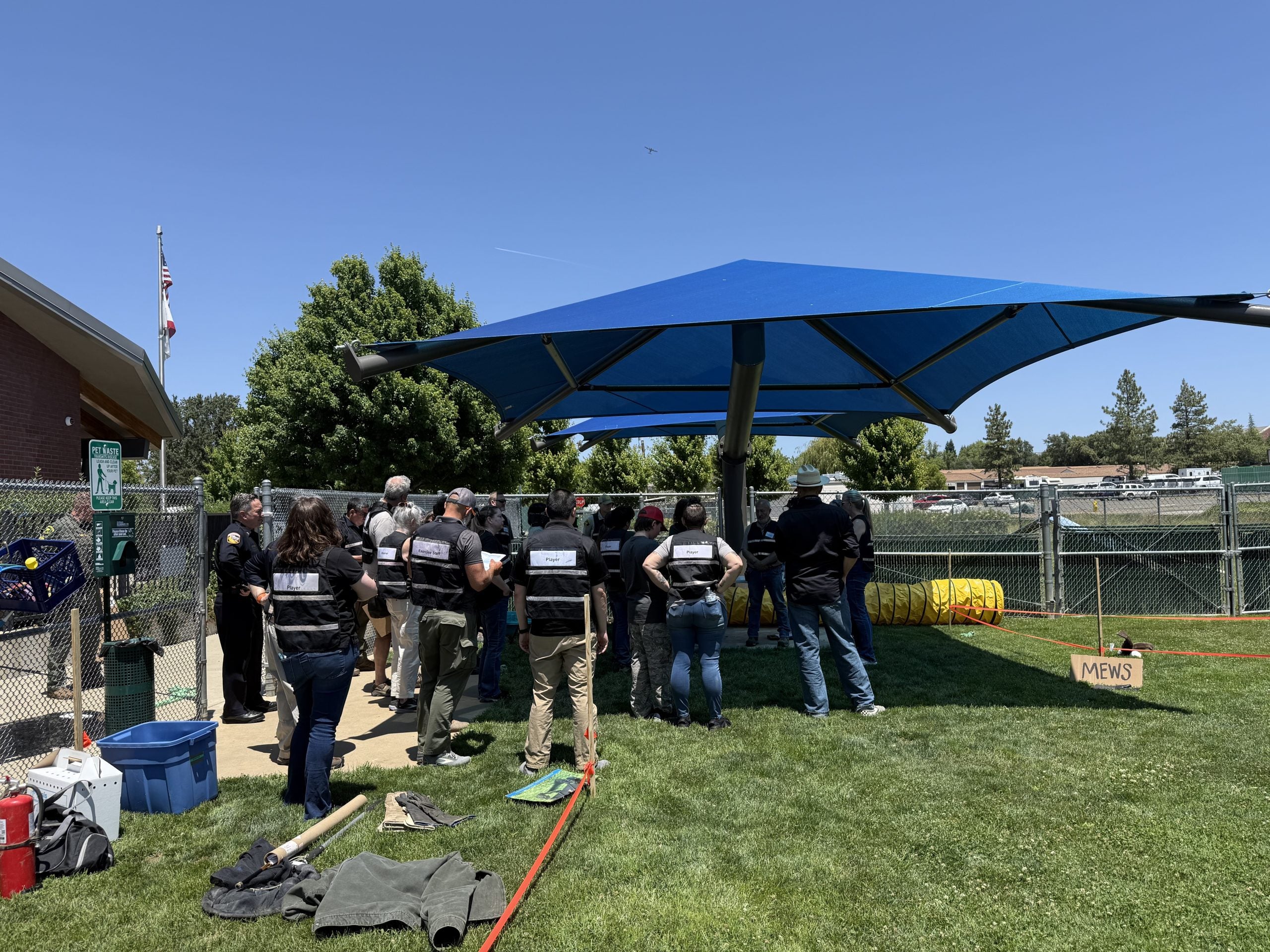
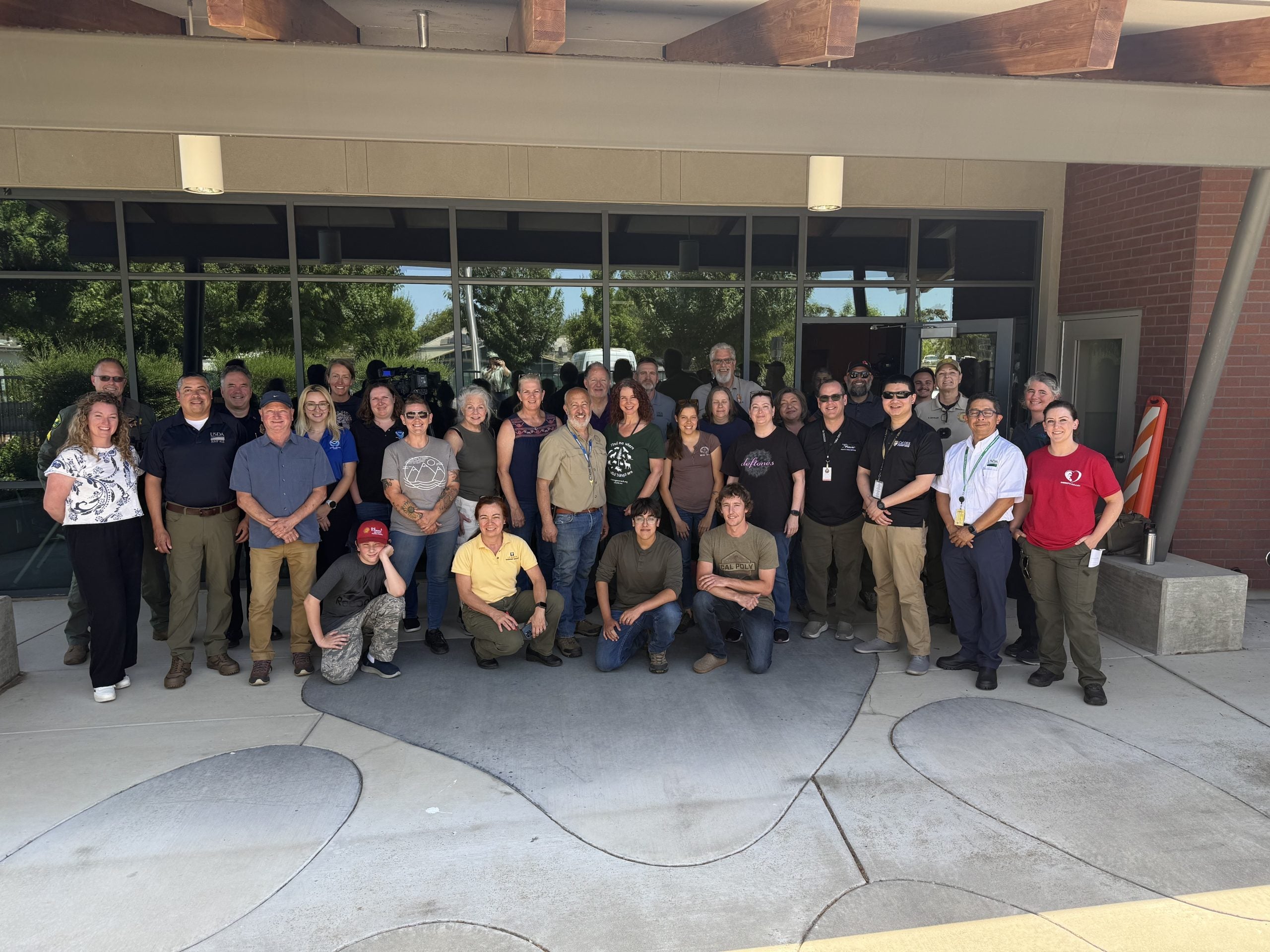
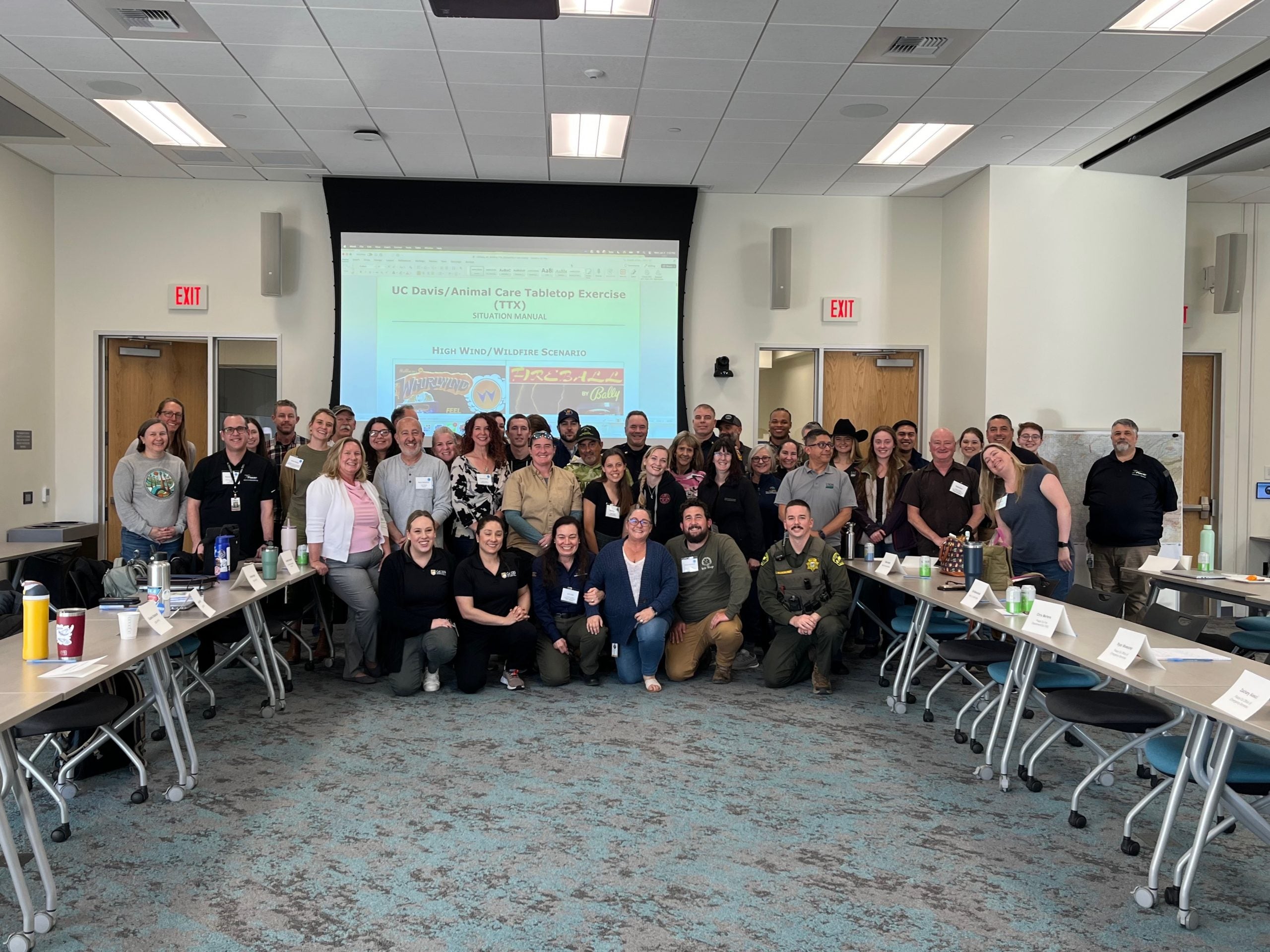
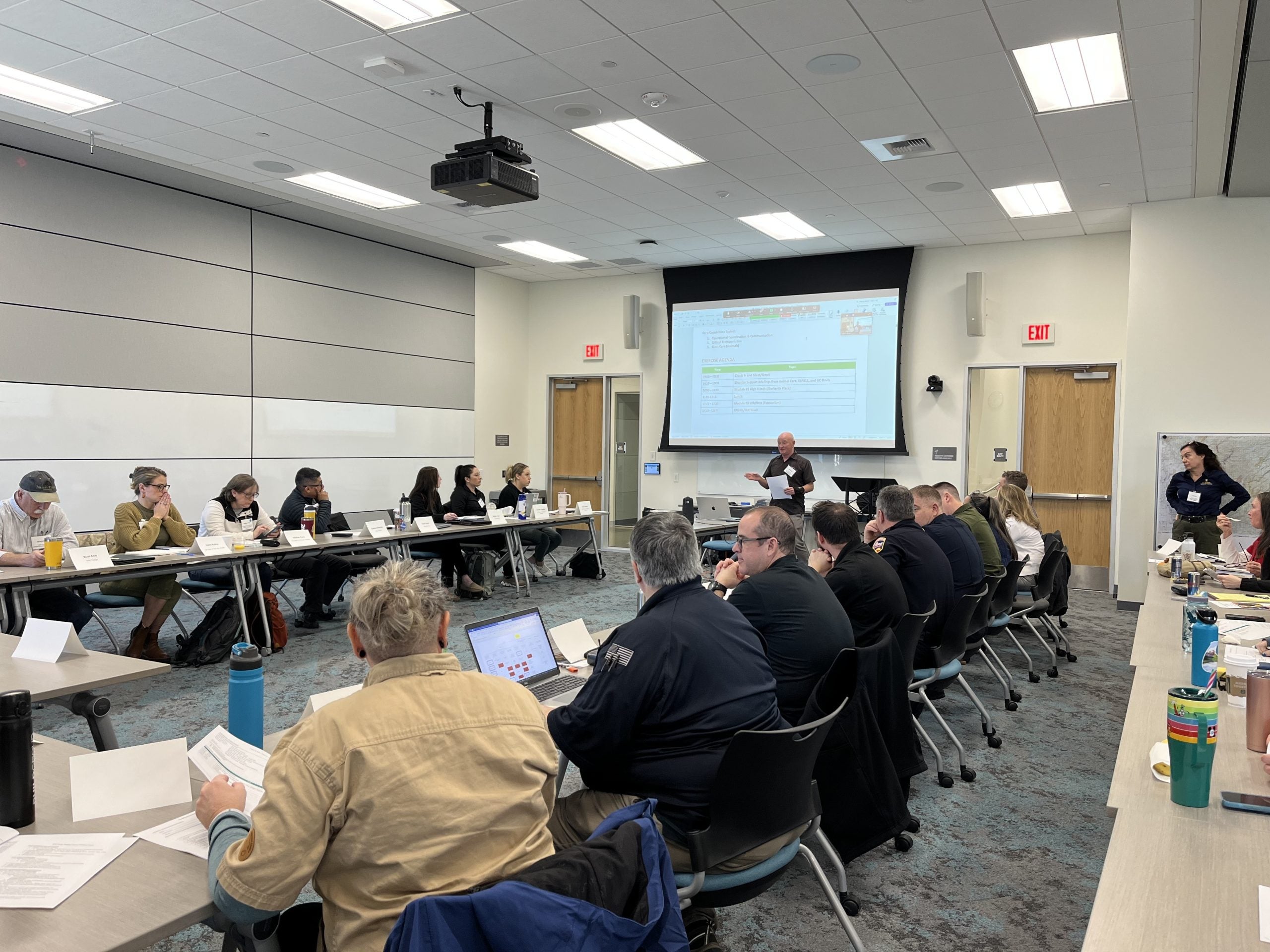
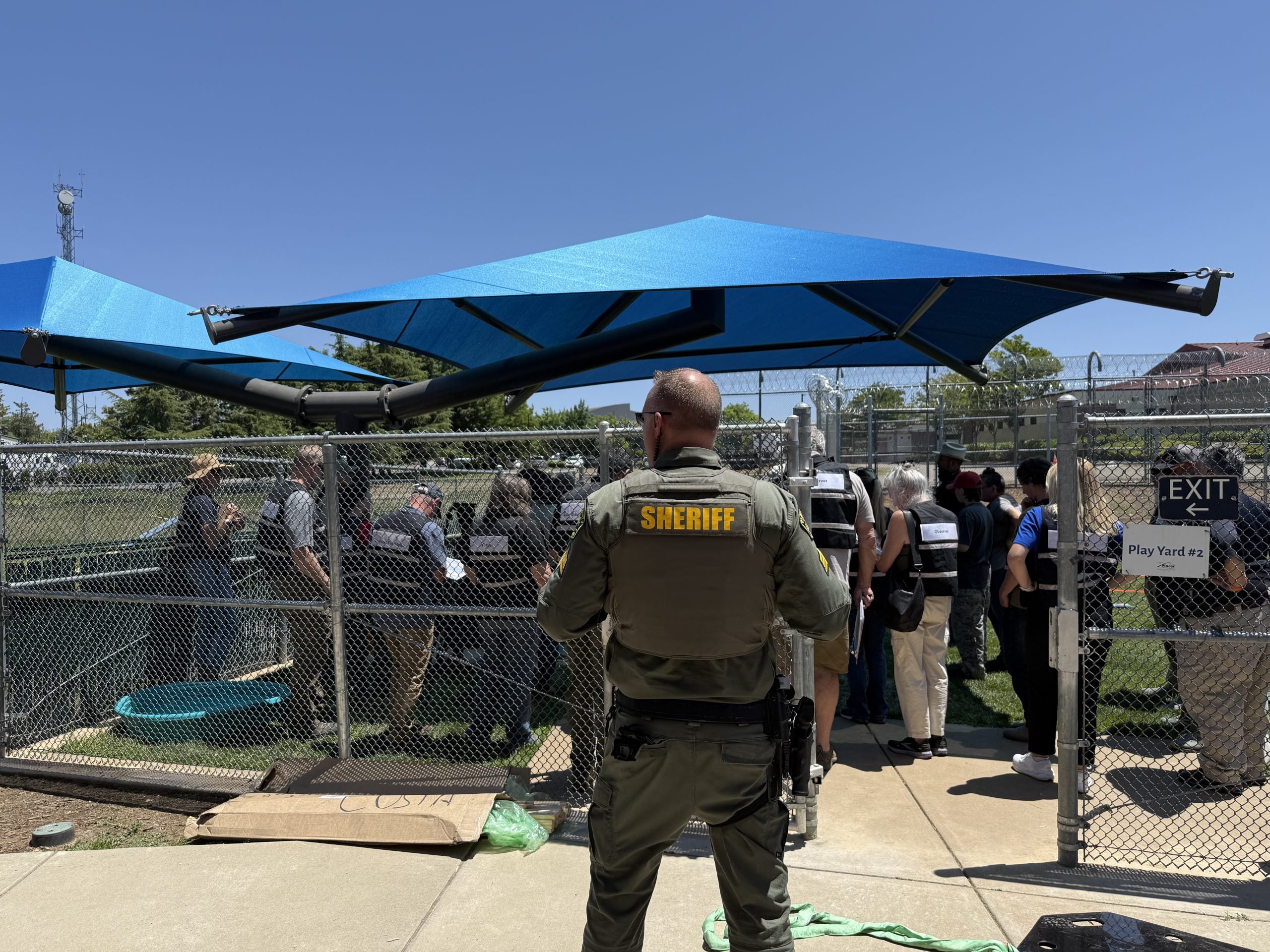
UC Davis Veterinary Medicine Extension and the USDA are involved in a collaborative project to improve disaster preparedness for exotic animal facilities in rural communities. The project has been established to develop, research and exercise Contingency Planning for Class C facilities with captive exotic/wildlife under the Animal Welfare Act.
This project encompasses risk assessment, tabletop exercise, functional exercise and emergency planning development for a selected animal facility. Initially, facility vulnerabilities are identified through an on-site risk assessment. Then, tabletop exercises are hosted with relevant county, regional, state and national organizations along with regional zoos and wildlife specialists. These exercises aim to establish partnerships across agencies and tackle challenges of disaster preparedness for rural zoos in regards to animal sheltering, evacuation, transportation and resource sharing. An emergency plan is built on this groundwork and customized to an animal facility and the unique needs for exotic animals. Thus, rural wildlife sanctuaries and zoos will have the resources needed to protect animal health and welfare, while also preserving public safety, in the face of disaster.
Overall, this project aims to increase access to disaster preparedness, response and recovery in rural communities. Through emergency plan development and creation, the team works to contribute to the ever-growing, and increasingly needed, field of disaster management for animals.
Dr. Lais Costa, Project Director at UC Davis Veterinary Medicine Extension, outlines the process of evaluating, improving and exercising emergency protocols for an animal facility, as part of a cooperative agreement between UC Davis Veterinary Medicine Extension and the USDA Animal Care. The video includes exercise activities and interviews with key players of a functional exercise for a captive wildlife and exotic animal facility in Placer County, June 2025.
Template Documents for Emergency Planning
of Exotic Animal and Captive Wildlife Facilities
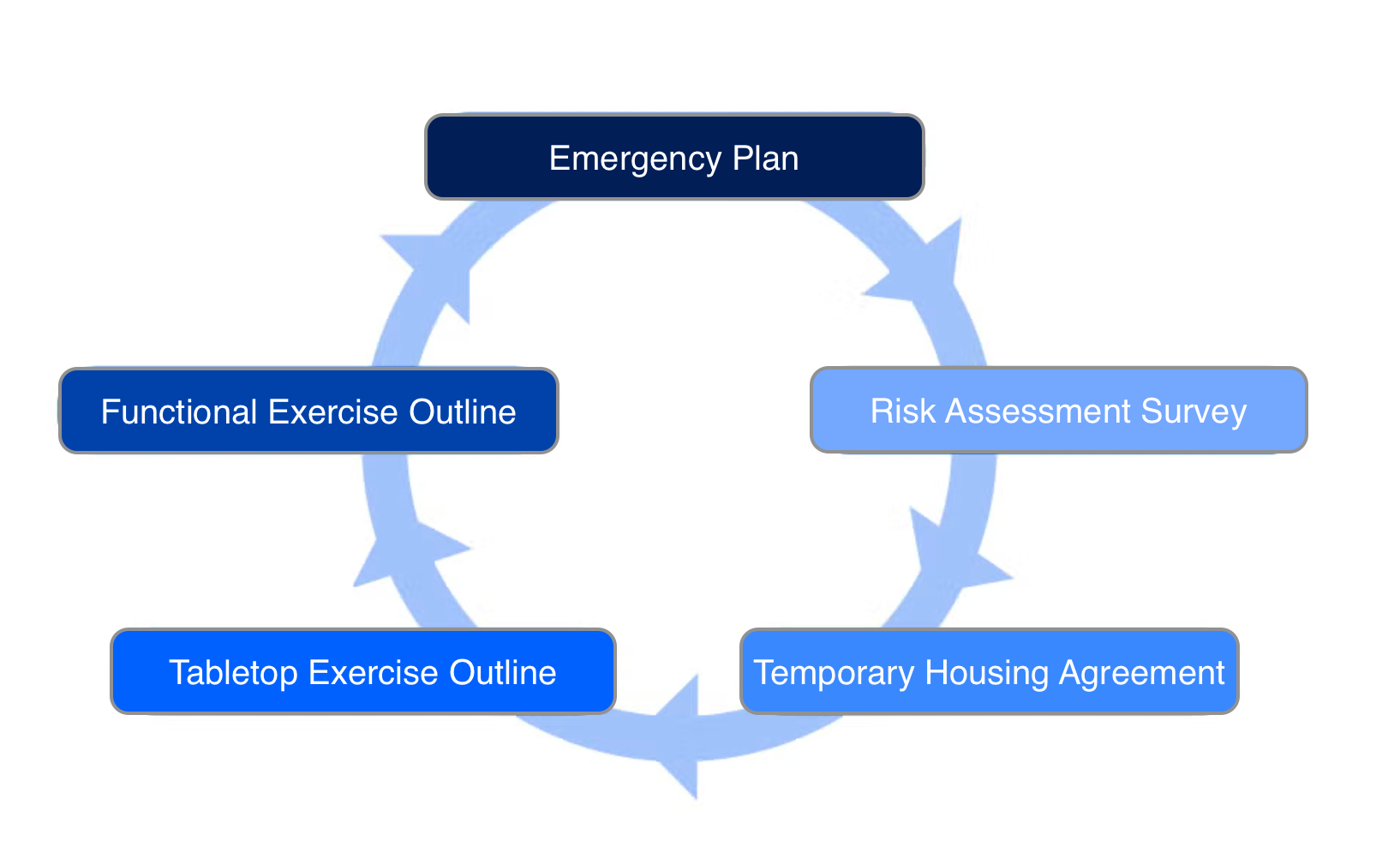
UCD Template: Emergency Plan
Document containing all needed information during an emergency, including organization chart, emergency contacts, communication prioritization, maps and protocols for all relevant emergency events.
UCD Template: Risk Assessment
Document highlighting all hazards that threat the animal facility followed by a ranking of the likelihood and vulnerability . Includes risks related to geography, animal health, animal nutrition, facility structures, animal management equipment, human health and public safety and shelter in place.
UCD Template: Temporary Housing Agreement
Document identifying the pre-emergency agreement between two facilities providing mutual aid during times of emergency and disaster, pertaining specifically to temporary animal housing.
UCD Template: Tabletop Exercise Outline
Document outlining the process of planning and implementing a tabletop exercise for a facility. A play-based discussion allows for interagency relationship building and emergency plan improvements.
UCD Template: Functional Exercise Outline
Document outlining the process of planning and implementing a functional exercise for a facility. Through physically acting out an emergency protocol, emergency plan improvements can be made.
Funding for this project was made possible by the U.S. Department of Agriculture (USDA) Animal and Plant Health Inspection Service (APHIS) through Cooperative Agreement # AP23AC000000C006-0. Its contents are solely the responsibility of the authors and do not necessarily represent the official views of the USDA